EXW Incoterm® (Ex Works)
5 May 2026
The EXW Incoterm® is one of the standardized international delivery terms agreed upon between buyer and seller. Read more on our website at transinnovate.com
The EXW Incoterm® is one of the standardized international delivery terms agreed upon between buyer and seller. These are rules that establish worldwide agreements on transport, costs, and any potential damage during transportation. Every ten years, the International Chamber of Commerce (ICC) updates the Incoterms®. The most recent version, the ICC Incoterms® 2020, came into effect on January 1st, 2020. An overview of all incoterms is available here page about incoterms.
What is EXW incoterm®?
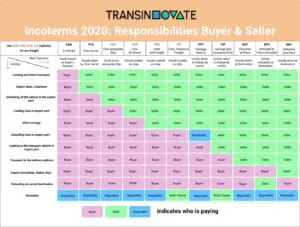
Under the Ex Works (EXW) Incoterm agreement, the seller fulfills their responsibility by making the goods available for pick-up at their premises or another named place (factory, warehouse, etc.). The buyer assumes all costs and risks associated with transporting the goods from the seller’s location to the final destination.
Advantages of EXW incoterm®:
- Seller Control: EXW gives sellers maximum control over their goods until the point of handover and minimizes risks in the shipping process (damage, delays).
- Simplicity: EXW is straightforward and easy to understand, making it a popular choice for transactions where both parties want a simple, clear-cut agreement. It minimizes confusion about responsibilities.
- Potential Cost Savings: Buyers have more flexibility in choosing their own shipping methods, routes, and carriers, potentially allowing them to negotiate better rates and achieve cost savings.
Drawbacks of EXW incoterm®:
- Risk for the Buyer: Since the buyer is responsible for all aspects of transportation, including cost and risk, they bear the brunt of any issues that may arise during shipping, such as damage or delays.
- Complex Logistics for buyers: Especially for international transactions, the buyer may face challenges in coordinating the logistics and customs procedures, especially if unfamiliar with the local regulations and practices.
- Limited Seller Involvement: The seller’s responsibility ends once the goods are made available. This lack of involvement may lead to issues if the buyer encounters difficulties or requires support during the shipping process. For delicate goods that may suffer from damage on the inside, it is not always possible to determine which damage resulted from transport and which could be production flaws. A factory acceptance test (FAT) my help to de-risk this for high value goods.
Summary Ex Works
In summary, EXW can be advantageous for sellers seeking maximum control and simplicity, while buyers may benefit from potential cost savings. However, the buyer assumes significant risk and logistical challenges, making it crucial for parties to carefully consider their capabilities and requirements before opting for an EXW arrangement. Clear communication and a well-drafted contract are essential to mitigate potential issues in an EXW transaction. For international deliveries with complex customs procedures, EXW is not advised for buyers that have limited expertise on this.
Do you frequently require goods to be transported, either as seller or as buyer? If you would like to discuss which Incoterms® and transport solution fit best to your case, please contact us.