DPU Incoterm® (Delivery and Place Unloaded)
5 May 2026
The DPU Incoterm® is one of the standardized international delivery terms agreed upon between buyer and seller. Read more on our website at transinnovate.com
The DPU Incoterm® is one of the standardized international delivery terms agreed upon between buyer and seller. These are rules that establish worldwide agreements on transport, costs, and any potential damage during transportation. Every ten years, the International Chamber of Commerce (ICC) updates the Incoterms®. The most recent version, the ICC Incoterms® 2020, came into effect on January 1st, 2020. An overview of all incoterms is available here.
What is DPU Incoterm®?
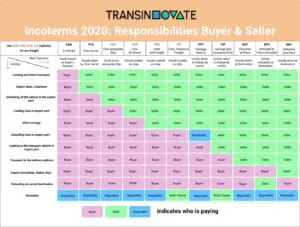
Under a Delivered at Place Unloaded (DPU) Incoterm arrangement, the seller is responsible for delivering the goods to a named destination, including all transportation costs and risks, with the added obligation of unloading the goods at the designated location.
What are the advantages of the DPU Incoterm®?
- Comprehensive Responsibility: DPU places a substantial burden on the seller by not only covering the costs and risks of transportation but also requiring the seller to unload the goods at the agreed-upon destination. This reduces the workload and responsibility for the buyer upon arrival.
- Reduced Buyer Risk: Similar to DAP, DPU is advantageous for the buyer as they assume responsibility only after the goods have been unloaded at the specified place. This minimizes the risk for the buyer during the transportation and unloading processes.
- Flexibility in Transport Modes: DPU allows sellers to choose the most suitable means of transport for the transaction. This flexibility can be beneficial in adapting to specific requirements or constraints associated with the type of goods being shipped or the destination.
What are drawbacks of the DPU Incoterm®?
- Seller Complexity: The seller takes on significant responsibilities, including not only transportation but also the unloading of goods. This may involve coordination with local carriers, equipment rental, and compliance with local regulations, adding complexity for the seller.
- Potential for Disputes: Disputes may arise if there are issues during the unloading process or if the goods are damaged at that stage. Clear communication and a well-detailed contract are essential to mitigate potential disagreements between the buyer and seller.
- Local Regulations and Customs Clearance: Sellers must be well-versed in the local regulations and customs procedures at the destination to ensure a smooth unloading process. Failure to comply with these requirements could lead to delays or additional costs.
Summary Delivery And Place Unloaded
In summary, DPU is advantageous for buyers seeking a comprehensive and low-risk delivery solution. Sellers, however, need to manage increased complexities, including unloading logistics and compliance with local regulations. A well-defined contract and open communication between the parties are crucial for the success of a DPU transaction.
Do you frequently require goods to be transported, either as seller or as buyer? If you would like to discuss which Incoterms® and transport solution fit best to your case, please contact us.