DAP Incoterm® (Delivered at Place)
5 May 2026
The DAP Incoterm® is one of the standardized international delivery terms agreed upon between buyer and seller. Read more on our website at transinnovate.com
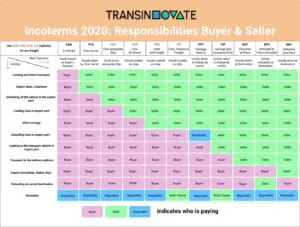
The DAP Incoterm® is one of the standardized international delivery terms agreed upon between buyer and seller. These are rules that establish worldwide agreements on transport, costs, and any potential damage during transportation. Every ten years, the International Chamber of Commerce (ICC) updates the Incoterms®. The most recent version, the ICC Incoterms® 2020, came into effect on January 1st, 2020. An overview of all incoterms is available here.
What is DAP Incoterm®
With a Delivered at Place (DAP) Incoterm arrangement, the seller is responsible for delivering the goods to a named destination, including all transportation costs and risks up to that point.
Advantages of DAP Incoterm®
- Reduced Buyer Risk: DAP places a significant burden on the seller to deliver the goods to the agreed-upon destination. This reduces the risk for the buyer, as they only assume responsibility once the goods are ready for unloading at the specified place.
- Inclusive Nature: DAP includes the cost of transportation to the destination, making it a comprehensive arrangement. Buyers benefit from transparency in costs, and sellers have the flexibility to choose the means of transport that best suits the transaction.
- Global Applicability: DAP is suitable for both domestic and international transactions, providing flexibility for parties engaged in various types of trade. It is particularly advantageous when the buyer is not familiar with the seller’s country or when the goods need to cross multiple borders.
Drawbacks of DAP Incoterm®
- Seller Responsibility Complexity: While DAP simplifies matters for the buyer, the seller assumes significant responsibility, including coordinating transportation and handling customs procedures. Sellers need to be well-versed in the logistics and regulations of the destination.
- Potential for Disputes: The risk transfer point is when the goods are ready for unloading at the named destination. Disputes may arise if the buyer encounters issues during unloading, and it’s essential for both parties to clearly define the conditions for delivery in the contract.
- Customs Challenges: DAP requires the seller to handle customs clearance at the destination. Navigating different customs procedures and regulations can be complex, and both parties must be knowledgeable about the specific requirements.
Summary Delivered at Place
In summary, DAP is advantageous for buyers seeking reduced risk and inclusive pricing. Sellers, however, must navigate the complexities of transportation, customs, and delivery, and both parties should ensure clear communication and a well-defined contract to minimize the potential for disputes in a DAP transaction.
Do you frequently require goods to be transported, either as seller or as buyer? If you would like to discuss which Incoterms® and transport solution fit best to your case, please contact us.